Clinical trial finds faster recovery from COVID-19 through targeted use of high-dose vitamin B3 in the gut
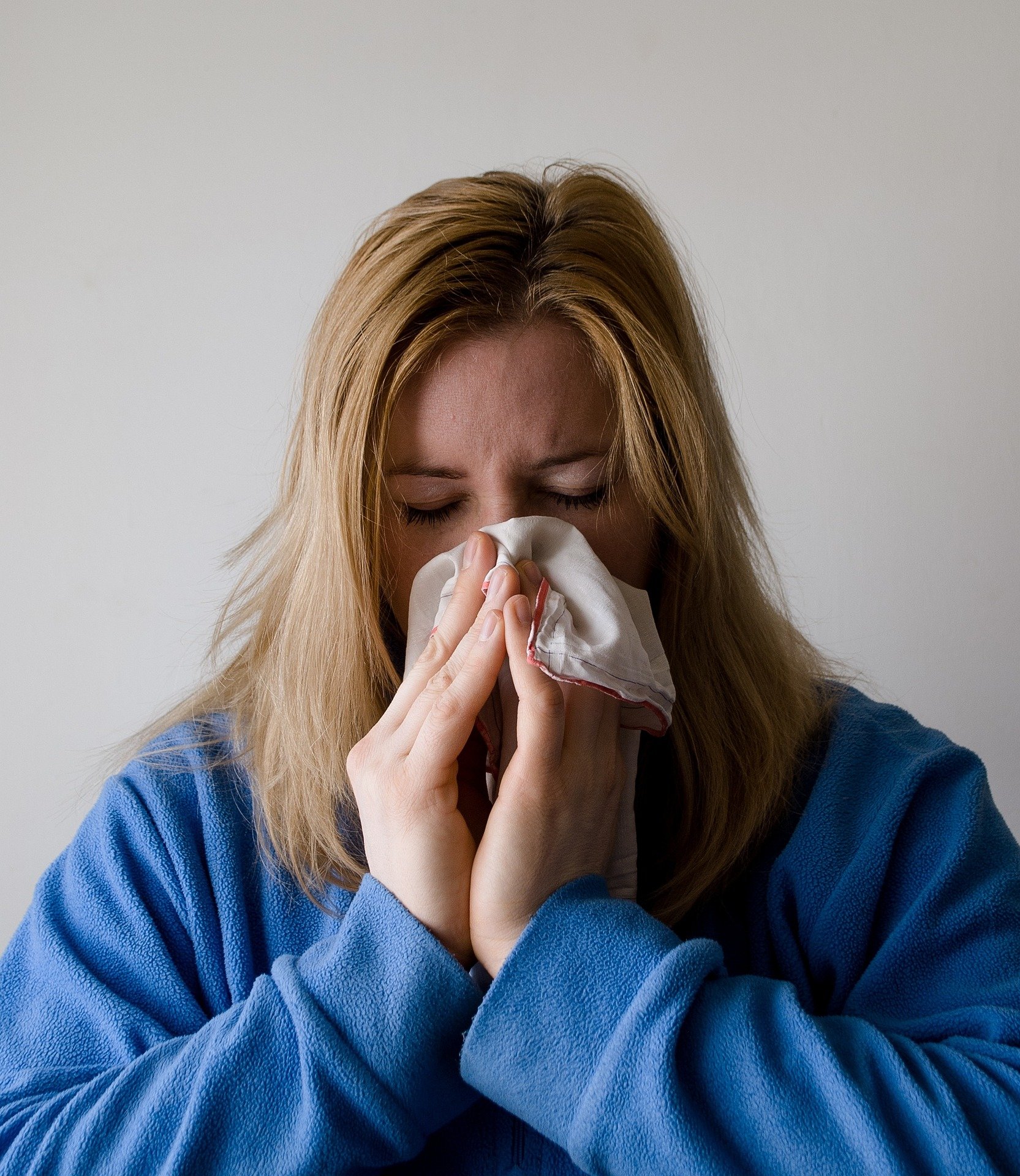
Many patients suffer not only from respiratory symptoms due to their COVID-19 disease, but also from significantly reduced physical performance. A patent-protected tablet (CICR-NAM) developed at the University Hospital Schleswig-Holstein (UKSH), Campus Kiel, releases nicotinamide, a form of vitamin B3, specifically in the gut.
The administration of CICR-NAM has now shown a statistically significant effect in a large study (COVit-2) with 900 COVID-19 patients: with CICR-NAM, the patients regained their normal physical performance in everyday life more quickly within two weeks than with a placebo.
The team from the Cluster of Excellence “Precision Medicine in Chronic Inflammation” (PMI) published the results in Nature Metabolism. Thanks to its sophisticated data management and integration structures, the Cluster can carry out large studies such as COVit-2 within a short time.
Innovative tablet releases nicotinamide specifically in the gut
Previous research had already shown that the metabolism of patients with COVID-19 and other viral infections has an increased need for energy sources during the acute phase of the disease. One of the precursors for metabolic factors in the energy system of cells is vitamin B3.
It is also known that COVID-19 negatively alters the gut microbiome. This is where the new CICR-NAM tablet (controlled-ileocolonic-release nicotinamide) from Kiel comes in: it releases nicotinamide specifically in the last section of the small intestine and in the large intestine.
As a result, nicotinamide can have a positive effect on the intestinal microbiome, compensate for vitamin deficiency and strengthen certain metabolic processes.
“A breakthrough has been achieved with these results. An intervention based entirely on molecular nutrition can actually influence the course of a severe infectious disease such as COVID-19,” says Professor Stefan Schreiber, Director of the Department of Internal Medicine I and the Institute of Clinical Molecular Biology (IKMB) at the UKSH, Campus Kiel, and principal investigator of the study.
“This means that a new anti-inflammatory principle has been established by specifically influencing the microbiome.”
“Nicotinamide from conventional tablets is already absorbed by the body in the stomach and small intestine before it can reach the intestinal microbiome,” explains Dr. Georg Wätzig, Coordinator of Translational Research at the IKMB, who led the development of the CICR-NAM tablets and coordinated the COVit-2 study.
“With this study, we have successfully tested a new approach in which vitamin B3 is first protected and released only in the intestine.”
Success in a large placebo-controlled trial
In the COVit-2 trial, the team examined 900 freshly diagnosed COVID-19 patients throughout Germany, half of whom were randomized to take two nicotinamide tablets (500 mg each of CICR-NAM and conventional nicotinamide) or identical-looking placebo tablets for four weeks.
The study was double-blind, i.e. neither the patients nor the members of the study team knew who was in which group. The patients underwent repeated telephone interviews regarding the course of their disease. Many also sent in stool samples regularly so that the composition of their gut microbiome could be analyzed together with their disease course.
The results of the COVit-2 trial show that patients with a risk factor for severe COVID-19 courses, e.g. smokers or people with previous lung diseases, who received nicotinamide were significantly more likely to have regained their normal physical performance after two weeks than patients in the placebo group. The ability to cope with normal everyday life was also significantly better in the nicotinamide group after two weeks.
Even though the study did not focus on more long-term consequences of the disease, such as long COVID and post COVID, the researchers still observed a promising trend at the six-month follow-up: patients who had a higher risk of post COVID and responded to nicotinamide showed fewer post-COVID symptoms.
Positive effect by influencing the microbiome
In the study, the researchers also took a closer look at the microbial community living in the gut.
“The microbiome of COVID-19 patients still shows a kind of emergency metabolism around two weeks after the onset of the disease, in which the body obviously tries to compensate for the known deficits in important metabolic factors by upregulating other metabolic processes,” explains Professor Philip Rosenstiel, Director of the IKMB, who led the microbiome studies.
“We did not observe these changes in the nicotinamide study group—probably because the deficiency could be compensated by administering nicotinamide. At the same time, we observed a faster physical recovery in these cases. The positive influence on the microbiome is apparently related to the faster recovery.
“This is the first time we have shown that influencing the microbiome, in this case through supplementation of a nutrient, can have a positive effect on a viral infection. This is an important milestone in clinical research.”
The development of the CICR-NAM compound is based on many years of research by members of the Cluster of Excellence PMI.
As early as 2012, a research team led by Professor Rosenstiel and Professor Josef Penninger, currently Scientific Director of the Helmholtz Center for Infection Research in Braunschweig, showed in Nature that a deficiency of nicotinamide and related substances in the intestine increases the tendency toward inflammation in mice. The deficiency also adversely affects the microbiome.
“The effectiveness of the specially encapsulated vitamin B3 in COVID-19 opens up completely new insights and ways of inhibiting inflammation,” says Professor Joachim Thiery, Dean of the Faculty of Medicine and Board Member for Research and Teaching at UKSH, Campus Kiel.
“I would like to congratulate Professor Schreiber on behalf of all those involved in the study program on this great scientific and clinical success. I would also like to thank the patients involved. Without their participation, this milestone in precision medicine for everyone would not have been achieved,” says Professor Thiery.
More information:
Stefan Schreiber et al, Nicotinamide modulates gut microbial metabolic potential and accelerates recovery in mild-to-moderate COVID-19, Nature Metabolism (2025). DOI: 10.1038/s42255-025-01290-1
Provided by
Exzellenzcluster Präzisionsmedizin für chronische Entzündungserkrankungen
Citation:
Clinical trial finds faster recovery from COVID-19 through targeted use of high-dose vitamin B3 in the gut (2025, May 12)
retrieved 16 May 2025
from
This document is subject to copyright. Apart from any fair dealing for the purpose of private study or research, no
part may be reproduced without the written permission. The content is provided for information purposes only.
link