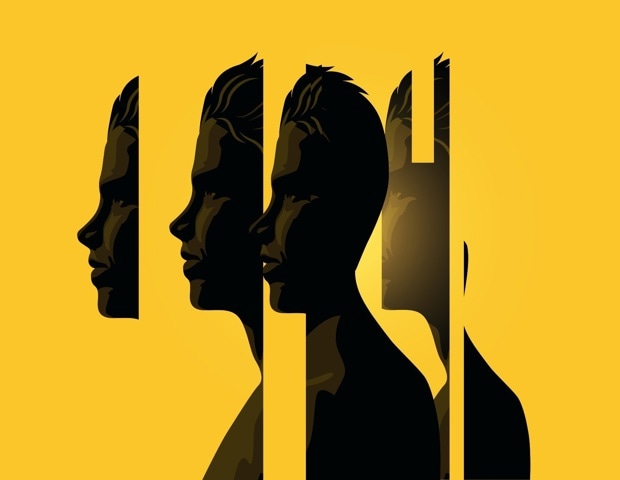
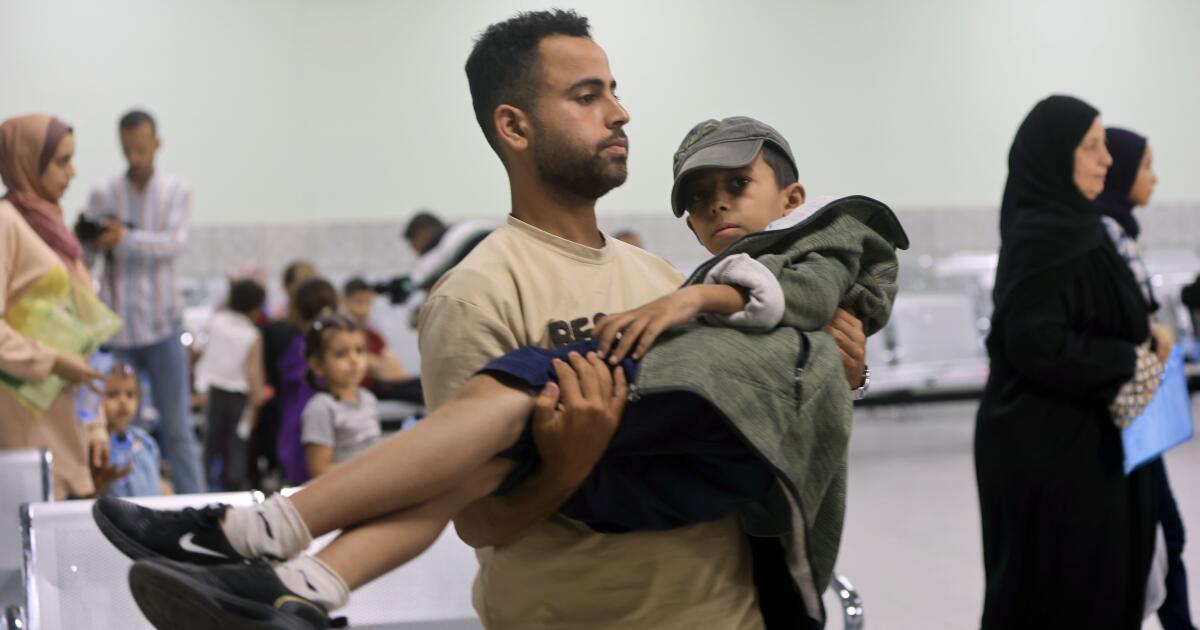
Mental health struggles for parents can affect their children too
Do opposites still attract?
Assortative mating could explain the pattern of shared mental disorders among couples.
“This theory assumes that we choose partners who are similar to us,” Marcano-Olivier wrote. “Normally this is applied to personality and social factors (such as shared religious or socioeconomic background). But this recent study suggests that this choice may extend beyond these factors and into how we think.”
There’s a possible less conscious explanation too: proximity. According to the mental health expert, people with psychiatric diagnoses may be drawn to similar social circles. People with substance use disorders may bump into each other at a bar, for instance.
It also might be how we were raised during our earliest days that has the greatest effect on how we pick our partners.
“Attachment theory assumes that as infants, we develop a specific emotional bond to our primary caregivers,” she wrote. “This early bond then shapes our subsequent emotional and psychological patterns of behaviour [sic] as we get older — and also influences what we’re looking for in a relationship.”
It could also be that people with mental disorders seek others facing similar struggles because they wish to be better understood. Social identity theory, Marcano-Olivier explained, assumes self-esteem is something we gain through a feeling of belonging to social groups. Those sharing disorders may feel drawn to each other, because being with someone that understands their struggles can be validating.
Like parent, like child
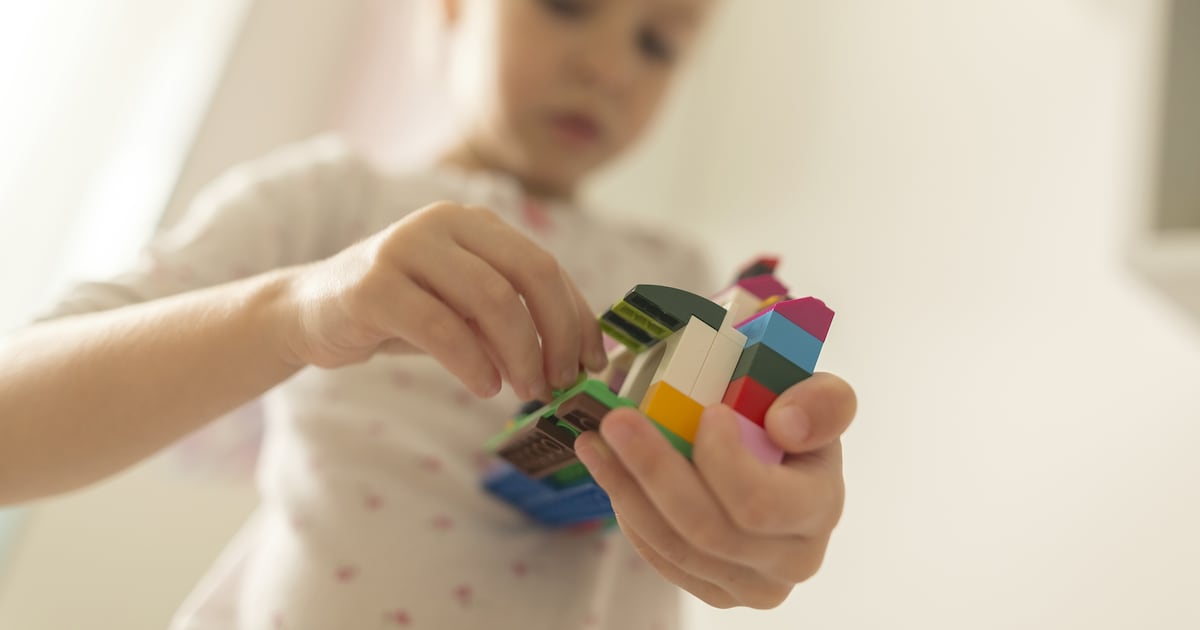
Haseltine emphasized that the impact of shared mental health struggles extends beyond the couple, highlighting the potential consequences for their children.
“Children encounter both genetic predispositions and environmental influences from their parents’ mental health,” he explained. “This convergence of biological and environmental risk factors can result in earlier onset, increased severity, or multiple psychiatric conditions in affected children.”
So how likely are children to develop mental health disorders similar to their parents? A 2025 study involving over 3 million people found that individuals with a first-degree relative affected by depression had a lifetime risk of about 15% – nearly twice the risk in the general population.
It’s a tough statistic that can lead to more mental health challenges down the road.
“For children, this clustering means exposure to both genetic and environmental risk pathways,” Haseltine wrote.
“Facing both genetic and environmental risks increases the chance that children will develop mental health problems early, have multiple issues, or struggle with relationships as adults. These patterns can also affect their partner choices later, continuing the cycle.”
link