Vitamin D Deficiency In Winter: How Lack of Sunlight Exposure Effects Brain, Nervous System, and Energy Levels

What happens inside the brain when the body doesn’t get enough vitamin D, especially during the winter months? Dr. Vinit Banga, Director- Neurology, Fortis Hospital, Faridabad, explains the hidden connection.

Winter blues are not uncommon, especially if you are in a region where daylight hours are shorter and exposure to sunlight is limited. A lot of people have complained of reduced energy levels, slower thinking, and even mood swings associated with low energy levels during winter. These feelings, in fact, have a direct connection to how our nervous system, especially our brain, responds to environmental factors such as decreased exposure to sunlight.
In this article, Dr. Vinit Banga, Director- Neurology, Fortis Hospital, Faridabad, tells us how reduced exposure to sunlight during winter months cna negativelty affect the brain health, leaves you feeling tired and fatigued.
Feeling Drained This Winter? How Lack of Sunlight Affects Your Brain
Sunlight is also a major factor in synchronizing the body’s internal clock with regard to wakefulness and sleep. This circadian rhythm is made possible by the presence of specific cells in the eyes that transmit messages to the hypothalamus in the brain. During the winter season, the shortage of sunlight affects this body process, resulting in higher melatonin production in the body but lower production of serotonin in the body since serotonin is responsible for regulating moods.
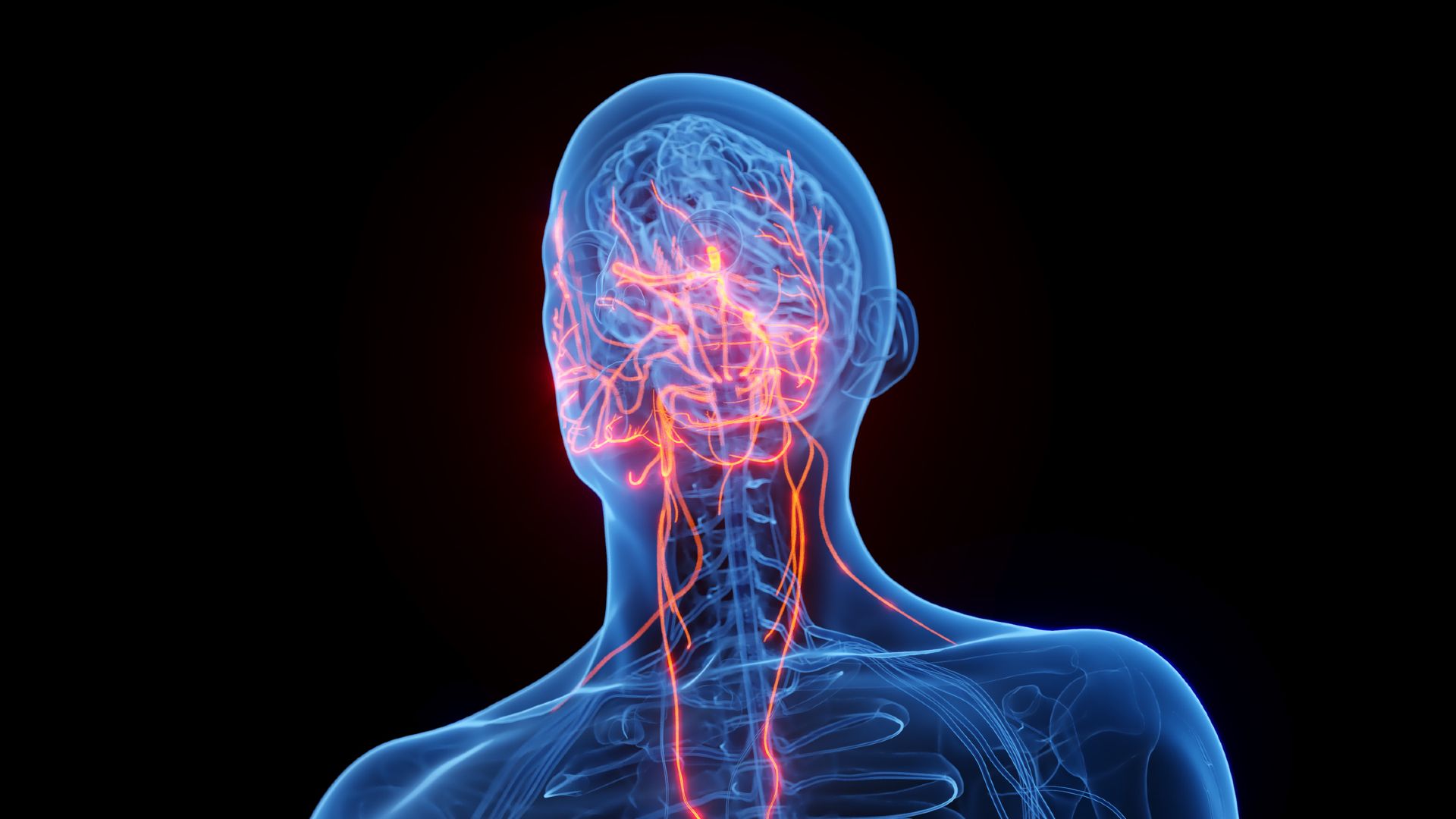
The Brain and Spine Connection The central nervous system (CNS) comprises the brain and the spinal cord. While the brain receives sensory inputs and sends commands, the spinal cord carries a flow of commands from the brain to the rest of the body. A low level of sun stimulation affects the way in which the brain sends out the command signal. This affects the spinal nerve output, which then impacts the muscle tone and the overall body energy levels. Winter fatigue, thus, affects the body as a whole. Stress, Posture, and Nervous System Load Cold environments can cause reduced activity and increased time indoors.
Such times can include improper postures. The impact of reduced activity and greater stress on the body can further cause increased tension on the nervous system. Such spinal and muscular conditions can cause complications in nerve functions. It can cause feelings of heaviness and fatigue.
To end with, Dr Banga says, winter fatigue is the end result of intricate relations between poor sunlight levels, the biochemistry of the brain, and brain-body communication. It is crucial that one recognizes the role that nervous system relationships play between light, exercise, and healthy routines. All these factors contribute to maintaining one’s energy levels throughout the winter.
Follow TheHealthSite.com for all the latest health news and developments from around the world.

Don’t Miss Out on the Latest Updates.
Subscribe to Our Newsletter Today!

link