Physical Activity for People with Disability | Disability and Health
Overview
Everybody needs physical activity for good health. However, less than half of U.S adults with serious difficulty walking or climbing stairs (mobility disability) report engaging in aerobic physical activity.1 or those who are active, walking is the most common physical activity.1 Yet, adults with disabilities report more environmental barriers for walking than those without disabilities.2 Here are some ways that people with disabilities can stay active and healthy.
Physical activity plays an important role in maintaining health, well-being, and quality of life. According to the Physical Activity Guidelines for Americans, 2nd edition, physical activity can help control weight, improve mental health, and lower the risk for early death, heart disease, type 2 diabetes, and some cancers. Physical activity can also improve mental health by reducing depression and anxiety. For people with disabilities, physical activity can help support daily living activities and independence.
Any amount of physical activity that gets your heart beating faster can improve your health. Some activity is better than none. For even greater health benefits, the Guidelines recommend that all adults, with or without disabilities, get at least 150 minutes (2.5 hours) of aerobic physical activity per week. Activities can be broken down into smaller amounts, such as about 25 minutes a day every day. Muscle-strengthening activities, such as adapted yoga or working with resistance bands, provide additional health benefits.
People with disabilities
One in four U.S. adults is living with a disability,3 defined as
- Serious difficulty walking or climbing stairs.
- Deafness or serious difficulty hearing.
- Blindness or serious difficulty seeing.
- Serious difficulty concentrating, remembering, or making decisions.
- Difficulty doing errands alone.
- Difficulty dressing or bathing.
Adults with disabilities are more likely to have obesity, heart disease, stroke, diabetes, or cancer than adults without disabilities.4 Physical activity can reduce the risk and help manage these chronic conditions.
Be active to stay healthy
Many adults with disabilities and chronic health conditions can participate in regular physical activity; however, it’s important to consult with a healthcare professional or physical activity specialist (for example, physical therapist or personal trainer) to understand how your disability or health condition affects your ability to safely do physical activity.
If you have a disability and want to make physical activity part of your daily routine, here are some options.
Being active in your neighborhood
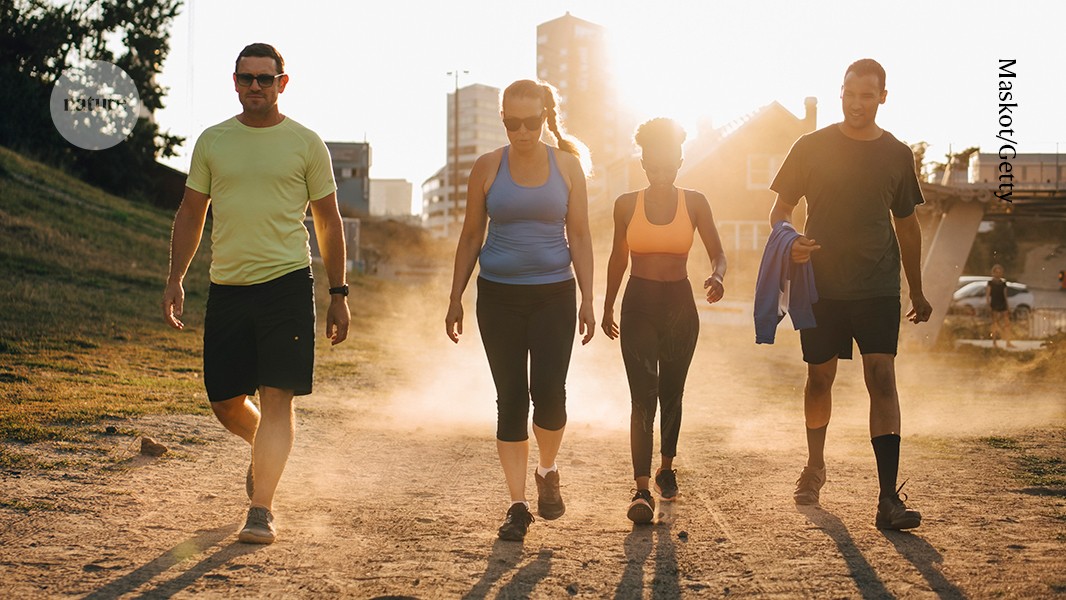
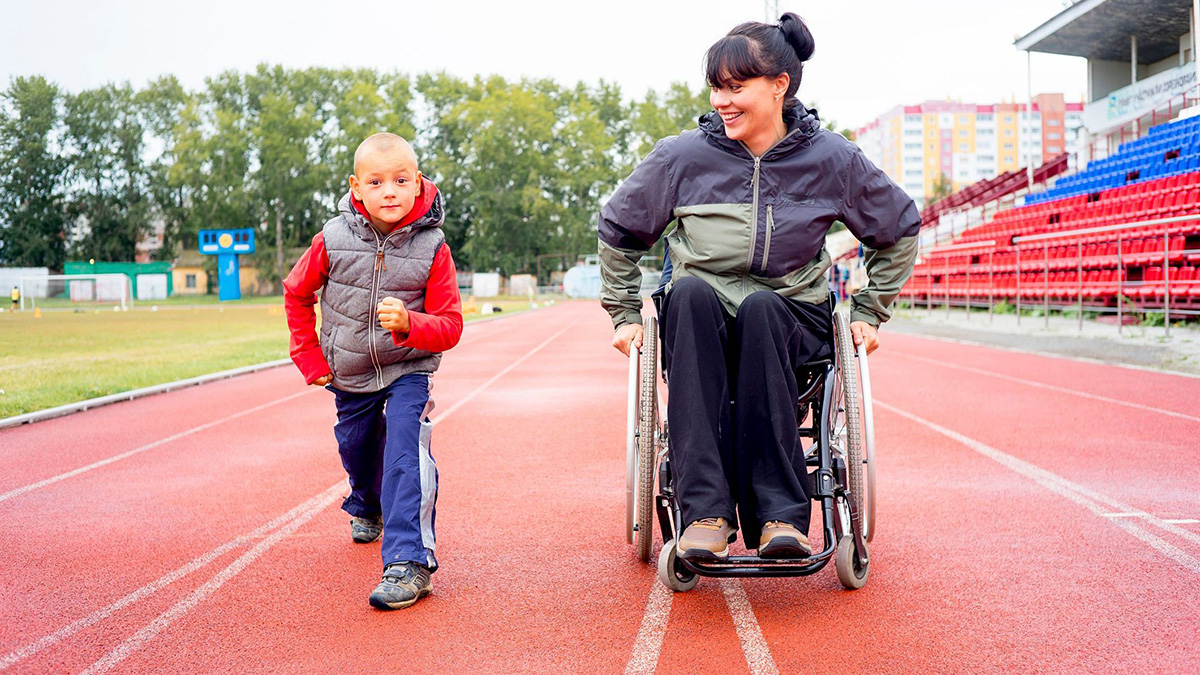
Engaging in physical activity outdoors can help improve your physical health, as well as your mental health and well-being. Most people can engage in an active lifestyle through walking—including people with disabilities who are able to walk or move with the use of assistive devices, such as wheelchairs or walkers.5 In fact, walking is the most common form of physical activity reported among active adults with mobility disability.1
Unfortunately, adults with disabilities report fewer neighborhood environmental supports (such as sidewalks, public transit, and walkable shops) and more barriers (such as traffic, crime, and animals) for walking than those without disabilities.2 To improve this, resources were created to help promote the development of supportive environments for walking for individuals with disabilities.
Being active in your home
Being active in your home can also be a good option. Here are some resources that can help you stay physically active while at home.
- The National Center on Health, Physical Activity and Disability (NCHPAD) has created a playlist of the top exercise-from-home videos on their YouTube channel. The playlist for kids and adults includes several options for all abilities to help you choose an exercise mode that works for and is enjoyable to you.
- NCHPAD also offers a 14 Weeks to a Healthier You program. This program is a FREE, personalized, web-based physical activity and nutrition program for individuals with disabilities and chronic health conditions.
- Special Olympics’ Fit 5 Resources challenge individuals to live by the 3 simple goals of staying active 5 days per week, eating fruits and vegetables and drinking 5 bottles full of water each day. It includes fitness cards and videos that offer simple exercises to target endurance, strength, and flexibility, all of which can be done at home.
Decide how much physical activity is right for you and your fitness level, pick an activity you enjoy—for example, gardening, doing chores around the house, wheeling yourself around in your wheelchair, walking briskly, or dancing—and find ways to include your favorite physical activity into your everyday life.
What CDC and our partners are doing
CDC’s Disability and Health Promotion Branch, within the Division of Human Development and Disability, supports and provides funding for two National Centers on Disability that focus on improving the quality of life for people living with disabilities, including their physical activity level.
The Branch also supports 19 state-based disability and health programs to
- Promote equal access to opportunities for optimal health.
- Prevent diseases like type 2 diabetes and heart disease.
- Increase the quality of life for people with disabilities.
Learn more about these State Disability and Health Programs.
In addition, to make it easier for people to be active, CDC works with communities and partners across the country as part of the Active People, Healthy NationSM initiative. The goal of this initiative is to help 27 million Americans become more physically active by 2027 to improve overall health and quality of life and to reduce healthcare costs.
CDC disability resources
Health is important for everyone. Having the tools and information needed to make healthy choices and knowing how to prevent illness are key to being well, with or without a disability. Visit these resources to learn more:
link